
Step 1: Log in to your dashboard https://app.iceleraite.io/login
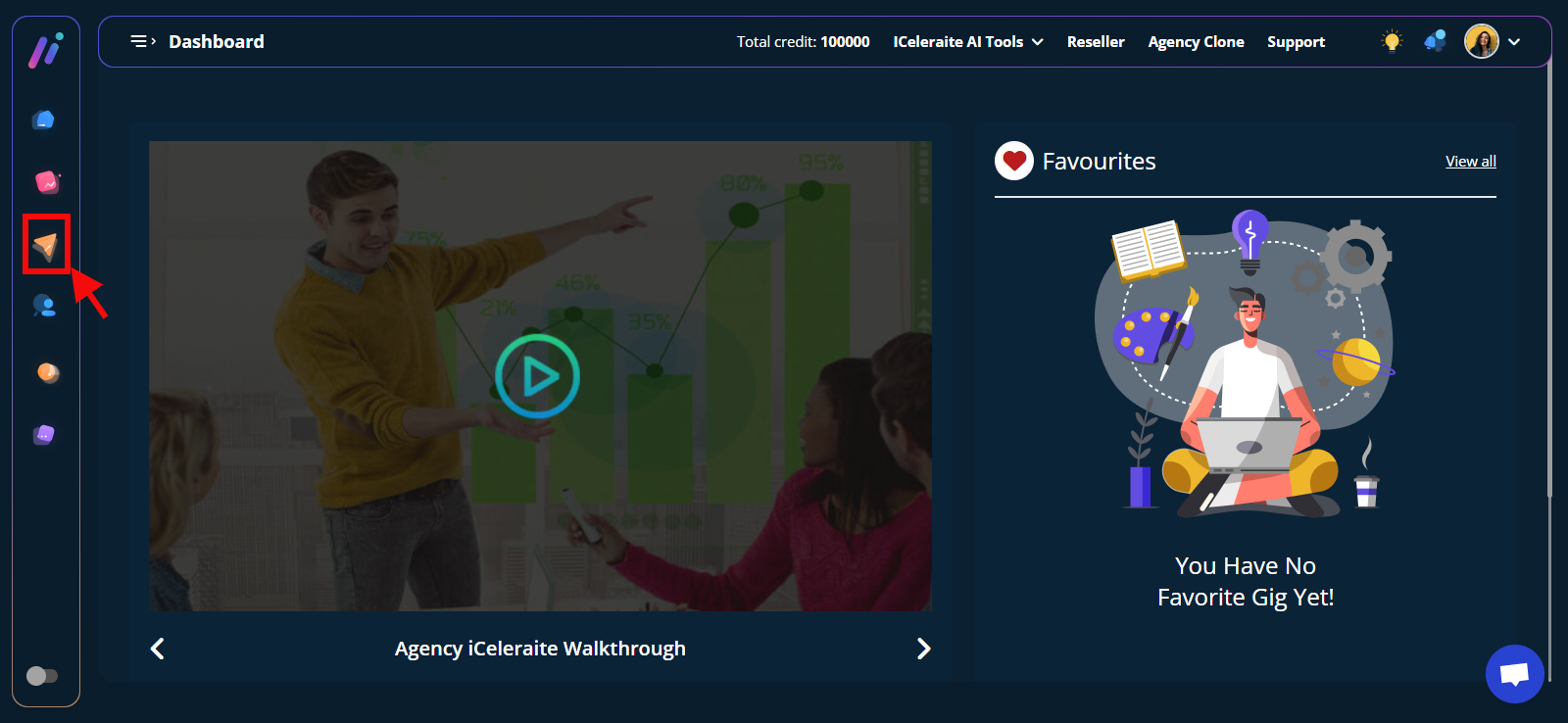
Step 2: From your dashboard, click on the Broadcast Manager icon. see link on how to use broadcast manager: https://support.iceleraite.io/knowledge-base/how-to-use-the-broadcast-manager/
Now get back to the interface of the broadcasting. On the template option, click on the Email button to create an email template.

And instantly, a new page called “Email Templates” with a table having an empty record will appear.

Now click on the “Create Template” button and a drop-down menu of two options – Rich Text Editor and drag and drop – will appear.

How To Create Email Template From Rich Text
Click On The Rich Text Editor

Instantly a modal form called create template will appear with some fields – Template name, subject, and content.

Now you have to give a template name, write a subject in the subject field and write the content of the mail in the content field.

Now click on the save button to save the template.

Now the template will appear in the table as a saved template. Of course, you can edit and delete the template. Of course, you can view the template by clicking on the view template button.

How To Create Email Template From Drag And Drop Email Builder
Click On The Drag And Drop Option
On the other hand, if you want to create a template by drag and drop, click on the drag-and-drop option of the drop-down menu.

Instantly, a pop up of template page will appear with a list of templates to select from based on the niche and an option to “create with blank”
You’ll find the following email templates:
- Thank you Email
- Cold Email
- First Engagement Email
- Second Engagement Email
- offer Email
- Closing Email

1. Thank you Email:
The Thank you Email is the first email in the sequence and is sent immediately after someone takes a specific action, such as signing up for a newsletter, making a purchase, or attending an event. It expresses gratitude and appreciation for the recipient’s action, creating a positive impression right from the start.

2. Cold Email:
The Cold Email is typically the second email in the sequence and is used to initiate contact with a prospect who has no prior relationship with your business. It introduces your company, product, or service and aims to capture the recipient’s attention and interest. Cold emails are sent to potential leads or prospects who have shown some relevance or potential interest in your offerings.
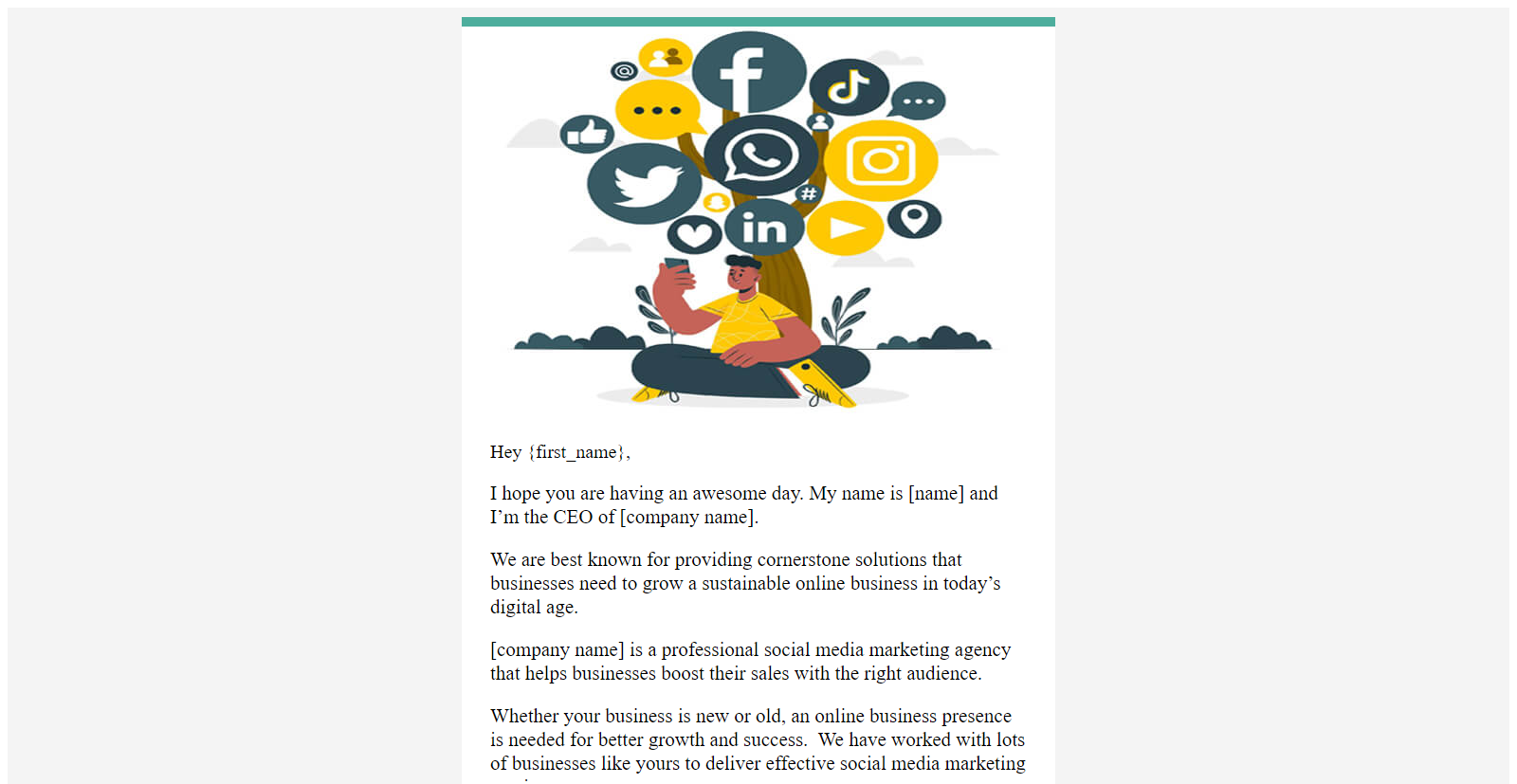
3. First Engagement Email:
The First Engagement Email is the third email in the sequence and is sent after a positive response or engagement from the recipient, such as opening a previous email, clicking on a link, or downloading a resource. This email builds upon the initial interest shown by the prospect and further nurtures the relationship. It could provide more information, address specific pain points, or ask engaging questions to encourage further interaction.
4. Second Engagement Email:
The Second Engagement Email is the fourth email in the sequence and is sent if there is continued interest or interaction from the recipient after the first engagement email. This email can offer additional value, such as case studies, testimonials, or success stories related to your product or service. It aims to deepen the prospect’s understanding of your offerings and build trust.
5. Offer Email:
The Offer Email is the fifth email in the sequence and is sent when the prospect has shown consistent interest and engagement. This email presents a compelling offer, discount, or promotion related to your product or service. It creates a sense of urgency and encourages the recipient to take the desired action, such as making a purchase, signing up for a demo, or scheduling a call.
6. Closing Email:
The Closing Email is the final email in the sequence and is sent after a reasonable amount of time has passed since the offer email. It serves as a gentle reminder and encourages the recipient to take action before the offer expires or the opportunity is lost. It can provide additional incentives or address any concerns the prospect might have, emphasizing the value and benefits of your product or service.